
How to Improve Your Financial Health in 30 Days with these 15 proven strategies. Transform your finances, reduce debt, increase savings, and gain financial freedom today.
How to Improve Your Financial Health in 30 Days
Improving your financial health doesn’t need to take years—it’s possible to make significant progress in just 30 days with focused strategies. Financial health is more than just having money in the bank; it’s about managing debt, increasing income, saving, investing, and cultivating habits that lead to long-term financial stability. In this guide, we’ll break down actionable steps that can help you transform your finances in a month, while keeping your goals realistic and measurable.
Understanding Your Current Financial Situation
Before making any improvements, you must know where you stand financially. This includes analyzing your income, expenses, debts, and financial goals. A clear snapshot of your current status allows for better decision-making and prevents impulsive spending.
Track Your Spending
Start by tracking every penny you spend. Tools like Mint, YNAB (You Need a Budget), or simple spreadsheets can help categorize your expenses into essentials (rent, groceries) and non-essentials (subscriptions, dining out). Identifying patterns helps pinpoint where your money leaks and what can be cut.
Analyze Your Income Sources
Evaluate your income streams. Are you relying solely on your salary, or do you have passive income sources like investments or side hustles? Knowing your earning potential allows you to plan debt repayments, savings goals, and investments effectively.
Set Clear Financial Goals
Having a target is crucial. Without goals, your money might drift aimlessly. Use the SMART framework (Specific, Measurable, Achievable, Relevant, Time-bound) to define goals.
Prioritize Debt Repayment
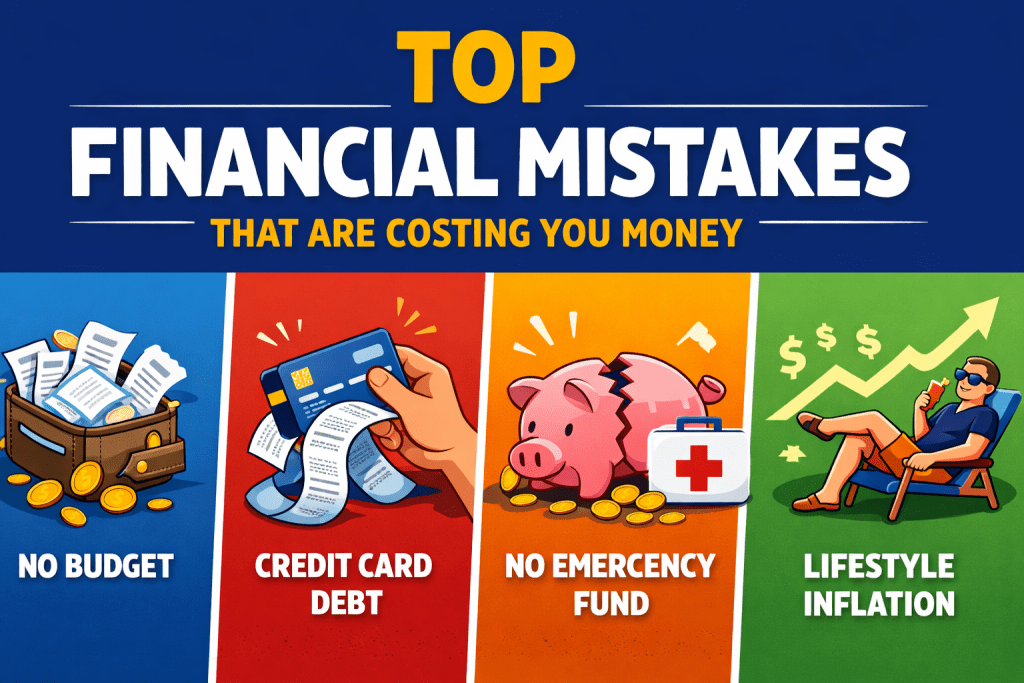
High-interest debts, such as credit card balances, should be your top priority. Consider strategies like:
- Snowball Method: Pay off smallest debts first to gain momentum.
- Avalanche Method: Target highest interest rates to save money long-term.
Negotiate rates with creditors if possible. Even small reductions can save hundreds in interest over a month.
Build an Emergency Fund
Life is unpredictable. Start with a $1,000 emergency fund or aim for 3-6 months’ worth of living expenses. Keep this money in a high-yield savings account for quick access. This prevents you from using credit cards during emergencies.
Create a Practical Budget
Budgeting is the cornerstone of financial health. A realistic budget ensures your income is allocated wisely.
Cut Unnecessary Expenses
Audit your lifestyle for avoidable costs. Cancel unused subscriptions, reduce takeout orders, and look for cheaper alternatives in daily spending. Small adjustments compound over time.
Automate Savings and Payments
Set up automatic transfers to savings and investment accounts. Automating bill payments and savings reduces the chance of missed payments and fosters discipline.
Increase Your Income
More income equals more options. Consider side hustles, freelancing, or monetizing skills. Platforms like Upwork, Fiverr, or Etsy offer opportunities to earn extra money on your schedule.
Upskill for Career Growth
Investing in yourself pays off. Certifications, online courses, and networking can lead to promotions, higher-paying jobs, or new business opportunities.
Monetize Hobbies and Talents
Turn hobbies into income streams. Whether it’s photography, writing, or crafting, your passions can become profitable. Even a small side income adds to your financial cushion.
Invest Smartly
Investing is critical for building wealth. Start small but focus on long-term growth.
Understand Risk vs Reward
Diversify your investments to balance risk and reward. Mix stocks, bonds, ETFs, and index funds according to your risk tolerance. Remember, higher returns come with higher risks, so plan wisely.
Use Tax-Advantaged Accounts
Maximize contributions to 401(k), IRA, or HSA accounts. Tax-advantaged accounts help you grow wealth while minimizing tax liabilities, accelerating financial growth.
Improve Financial Habits
Good habits are the backbone of financial health. Focus on:
- Mindful spending: Avoid impulse purchases
- Delayed gratification: Save before you spend
- Tracking progress: Weekly financial check-ins
Over time, these small habits compound into significant savings.
Monitor Your Credit Score
A good credit score reduces loan interest rates and increases borrowing power. Check your score monthly using Credit Karma or Experian. Pay bills on time, reduce debt, and correct errors to maintain a strong credit profile.
Minimize Financial Stress
Financial stress can affect mental and physical health. Combat stress by:
- Practicing mindfulness
- Seeking financial advice
- Discussing finances with supportive peers
A positive mindset enhances financial decisions.
Review and Adjust Your Plan
Regularly revisit your 30-day plan. Track progress, adjust goals, and stay flexible. Remember, financial health is a journey, not a sprint.
Frequently Asked Questions (FAQs)
1. Can I really improve my financial health in 30 days?
Yes! While 30 days won’t make you rich, you can establish solid habits, reduce debt, increase savings, and gain financial clarity.
2. How much should I save in an emergency fund?
Start with $1,000 and gradually aim for 3–6 months’ worth of living expenses.
3. Should I focus on paying debt or saving first?
High-interest debt should be prioritized, but building a small emergency fund simultaneously is recommended.
4. What budgeting method is best?
Zero-based budgeting works for many, but the 50/30/20 rule (needs/wants/savings) is simpler for beginners.
5. How can I boost my income quickly?
Freelancing, side hustles, and monetizing skills are effective ways. Platforms like Upwork or Fiverr can help.
6. Are investments safe during financial uncertainty?
Investments carry risks. Diversification and focusing on long-term growth help mitigate risk. Avoid panic selling during market fluctuations.
Conclusion
Improving your financial health in 30 days is completely achievable if you follow a structured plan. By understanding your finances, setting goals, reducing debt, saving strategically, increasing income, and adopting smart habits, you’ll lay the foundation for long-term financial success. Start today—your future self will thank you.
Advertisement: