Cashless Health Insurance: How It Works and Why It Matters
Healthcare costs are rising everywhere, and paying hospital bills upfront can be stressful—especially during emergencies. This is where cashless health insurance becomes a game changer. It allows you to receive medical treatment without paying cash at the hospital, as the insurer settles the bill directly. Let’s explore how it works, why it matters, and how you can make the most of it.
What Is Cashless Health Insurance?
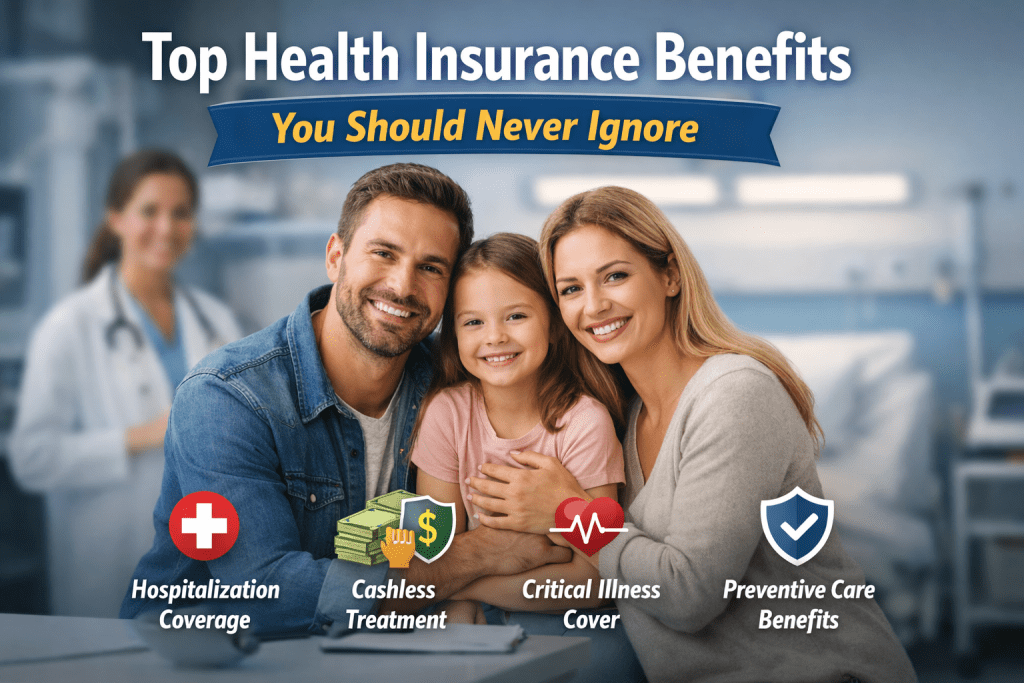
Cashless health insurance is a facility offered by insurers where policyholders can get treatment at network hospitals without paying medical bills upfront. Instead, the insurance company pays the hospital directly, subject to policy terms and coverage limits.
This feature is particularly helpful during emergencies, planned surgeries, and long hospital stays—when arranging funds quickly can be difficult.
How Cashless Health Insurance Works (Step-by-Step)
- Choose a Network Hospital
Cashless treatment is available only at hospitals that are part of your insurer’s network. - Show Your Health Insurance Card
At admission, present your insurance card and a valid ID. - Pre-Authorization Request
The hospital sends a pre-authorization request to the insurer with treatment details and estimated costs. - Insurer Approval
The insurer reviews the request and approves it as per policy coverage. - Treatment Begins
Once approved, treatment proceeds without you paying cash for covered expenses. - Direct Settlement
After discharge, the insurer settles the approved bill directly with the hospital. You pay only non-covered expenses, if any.
Why Cashless Health Insurance Matters
1. No Immediate Financial Burden
You don’t need to arrange large sums of money during a medical emergency. This reduces stress and prevents borrowing or selling assets.
2. Faster Access to Treatment
With finances taken care of, treatment can start immediately—often critical in emergencies.
3. Transparent Billing
Insurers and hospitals follow agreed pricing, reducing the risk of inflated bills.
4. Peace of Mind
Knowing that your insurer will handle payments allows you to focus on recovery, not paperwork or money.
5. Ideal for Families and Seniors
Cashless facilities are especially beneficial for families, elderly parents, and dependents who may need frequent medical care.
Cashless vs Reimbursement Claims
| Feature | Cashless Claim | Reimbursement Claim |
|---|---|---|
| Upfront Payment | Not required | Required |
| Hospital Type | Network hospitals only | Any hospital |
| Claim Processing | Faster | Slower |
| Convenience | High | Moderate |
Both options exist, but cashless claims are more convenient and stress-free.
What Expenses Are Covered Under Cashless Insurance?
Typically covered:
- Hospital room charges
- Doctor and surgeon fees
- Medicines and consumables
- Diagnostic tests
- ICU charges
May not be covered:
- Non-medical items (gloves, toiletries)
- Costs beyond the sum insured
- Treatments during waiting periods
Always check your policy wording for exact inclusions and exclusions.

Common Mistakes to Avoid
- Not checking the hospital network before admission
- Ignoring sub-limits on room rent or treatments
- Delaying pre-authorization for planned procedures
- Assuming everything is covered without reading exclusions
Avoiding these mistakes ensures a smooth cashless claim experience.
Tips to Maximize Cashless Health Insurance Benefits
- Choose a plan with a large hospital network
- Keep your policy active and renewed on time
- Inform the insurer immediately in case of hospitalization
- Understand waiting periods and coverage limits
Who Should Opt for Cashless Health Insurance?
- Working professionals
- Families with dependents
- Senior citizens
- People with limited emergency savings
In short, anyone who wants financial security during medical emergencies should opt for a plan with strong cashless benefits.
Conclusion
Cashless health insurance simplifies healthcare by removing the need for upfront payments during hospitalization. It ensures quick treatment, financial relief, and peace of mind when you need it most. In today’s unpredictable world, having a health insurance plan with cashless facilities isn’t just convenient—it’s essential.
Choosing the right policy today can save you from stress and financial strain tomorrow.
Advertisement: