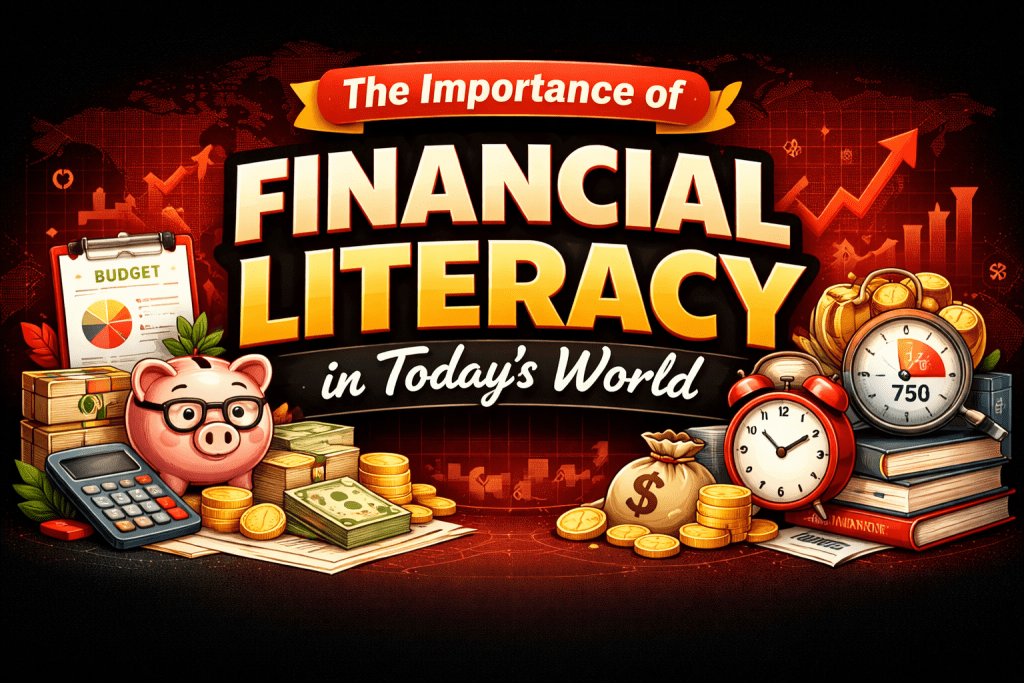
The Importance of Financial Literacy in Today’s World
Introduction
Money touches almost every part of our lives—from paying bills and saving for emergencies to investing for the future and planning retirement. Yet, many people navigate these responsibilities without proper financial knowledge. This is where financial literacy becomes essential. In today’s fast-paced, digital, and inflation-driven world, understanding how money works is no longer optional—it’s a survival skill.
Financial literacy empowers individuals to make informed decisions, avoid debt traps, build wealth, and achieve long-term financial security. Let’s explore why financial literacy matters more than ever and how it shapes a stable and successful life.
What Is Financial Literacy?
Financial literacy is the ability to understand and effectively use financial skills such as:
- Budgeting
- Saving and investing
- Managing debt
- Understanding credit
- Planning for retirement
It’s not about becoming a finance expert—it’s about knowing enough to make smart, confident money decisions in everyday life.
Why Financial Literacy Is Crucial Today
1. Rising Cost of Living
Inflation, higher housing costs, and increasing utility bills make money management more challenging. Financial literacy helps people adjust budgets, cut unnecessary expenses, and maintain financial stability despite rising costs.
2. Easy Access to Credit
Credit cards, online loans, and buy-now-pay-later services are everywhere. Without financial knowledge, it’s easy to fall into high-interest debt. Financial literacy teaches responsible borrowing and debt management.
3. Complex Financial Products
From insurance policies to investment apps and cryptocurrencies, modern financial products are more complex than ever. Understanding risks and returns helps individuals avoid scams and poor financial choices.
4. Job Market Uncertainty
Freelancing, gig work, and automation have changed how people earn income. Financial literacy helps individuals manage irregular income, build emergency funds, and plan for uncertain futures.
Benefits of Financial Literacy
Better Money Management
Financially literate individuals know how to track income and expenses, set budgets, and control spending.
Reduced Financial Stress
When you understand your finances, money becomes a tool—not a constant source of anxiety. Clear planning leads to peace of mind.
Smart Saving and Investing
Financial literacy helps people save consistently and invest wisely, taking advantage of compound interest and long-term growth.
Debt Control and Credit Health
Knowing how interest works and how credit scores are calculated allows individuals to avoid bad debt and maintain good credit.
Wealth Building and Financial Independence
Over time, smart financial habits lead to asset growth, passive income, and financial freedom.
Financial Literacy and Young People
Teaching financial literacy early is critical. Many adults struggle financially simply because they were never taught basic money skills. When young people learn about budgeting, saving, and investing early:
- They avoid costly financial mistakes
- They develop healthy money habits
- They enter adulthood with confidence
Schools, parents, and online platforms all play a role in building financial awareness among youth.

The Role of Technology in Financial Literacy
Technology has made financial education more accessible than ever:
- Budgeting apps track spending automatically
- Investment platforms allow beginners to start with small amounts
- Online courses and videos provide free financial education
However, technology also brings risks. Financial literacy helps users evaluate apps, understand fees, and avoid online scams.
Financial Literacy and Society
A financially literate population benefits not only individuals but society as a whole:
- Lower debt levels
- Higher savings rates
- More entrepreneurship
- Reduced reliance on government assistance
Financially educated citizens contribute to a stronger, more resilient economy.
How to Improve Financial Literacy
Improving financial literacy doesn’t require expensive courses. Start with these steps:
- Track your income and expenses
- Learn basic budgeting methods
- Understand interest, inflation, and compound growth
- Read personal finance books or blogs
- Follow credible finance educators
- Practice what you learn consistently
Small steps lead to big results over time.
Common Financial Literacy Myths
- “I don’t earn enough to worry about finances.”
Truth: Financial literacy matters most when income is limited. - “Investing is only for the rich.”
Truth: Anyone can start investing with small amounts today. - “Money management is too complicated.”
Truth: Basic financial principles are simple and learnable.
Conclusion
In today’s world, financial literacy is not a luxury—it’s a necessity. It equips individuals with the knowledge and confidence to manage money wisely, avoid financial pitfalls, and build a secure future. Whether you’re a student, professional, or retiree, improving your financial literacy can transform your life.
The earlier you start learning about money, the stronger your financial foundation will be. Remember, money doesn’t have to control you—when you understand it, you control it.
Frequently Asked Questions (FAQs)
1. Why is financial literacy important in daily life?
It helps people manage money wisely, avoid debt, and plan for the future.
2. Can financial literacy improve mental health?
Yes. Better money management reduces financial stress and anxiety.
3. Is financial literacy only about investing?
No. It includes budgeting, saving, debt management, insurance, and planning.
4. How can beginners learn financial literacy?
Start with budgeting, basic saving, and free online financial education resources.
5. Should financial literacy be taught in schools?
Absolutely. Early education builds lifelong healthy money habits.
Advertisement: